



2/3/2006
Maryland Representative Sparks Red Light Camera DebateA Maryland legislator wants to study whether red light cameras have increased accidents in the state.
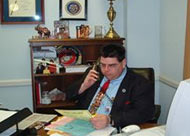
Maryland state Delegate Michael Smigiel Sr. (R-Elkton) introduced legislation heard in the House Environmental Matters Committee on Tuesday that would ban the use of red light cameras in the state. Although the legislature voted last week to introduce the use of speed cameras over the objection of the governor, Smigiel hopes his effort will spark a debate within the chamber and result in a statewide study of the issue.
"Are the accidents increasing?" Smigiel asked WBAL-TV. "Let's get that information out, let's get the conversation going."
The city of Baltimore has raised $26 million in red light camera fines but has only selective data -- 15 of 63 intersections -- from three years ago to support the claim that the devices have produced a safety benefit. Smigiel counters with evidence from a federal report questioning those results and suggesting engineering alternatives such as extending the length of the yellow light warning time.
A WBAL investigation found the majority of red light camera intersections in Baltimore were set to the bare minimum allowed under federal law. The city also shortened yellow warning times at fifteen intersections throughout the city. For example, the intersection of Edmonson and Hilton had a 4 second yellow in 2002, but in 2004 it was reduced to just 3 seconds. In March 2005 the state highway authority adopted a 3.5 second minimum standard.
Baltimore admits 20 percent of its red light camera citations in the first half of 2003 were given at intersections with a 2.9 second yellow -- illegally short under federal rules. Those tickets, declared illegal by District Court Judge Gary Bass, generated $1.2 million in revenue. Another judge in 2002 had documented the same irregularities.